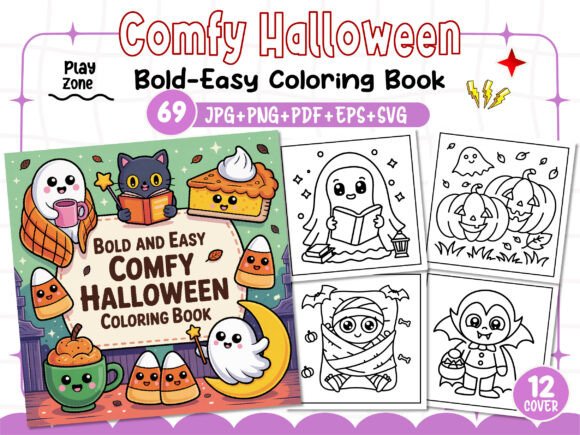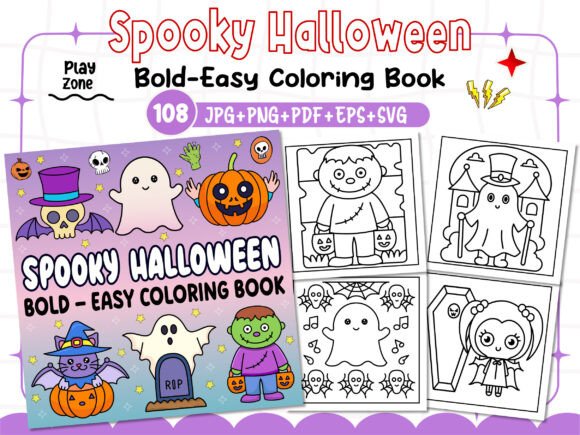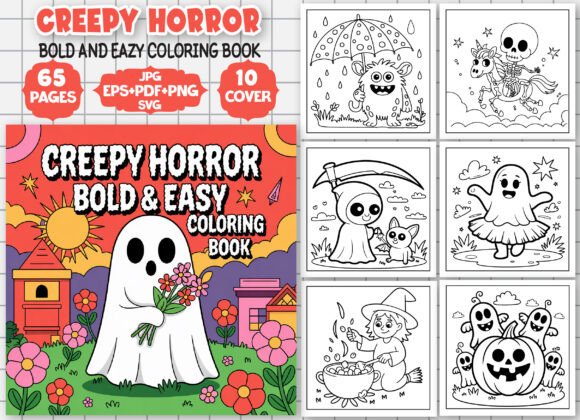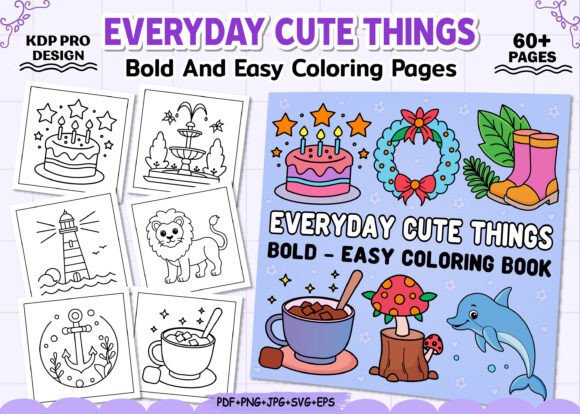
A Bold, Hand-Drawn Graphic Design Asset for Editorial Use
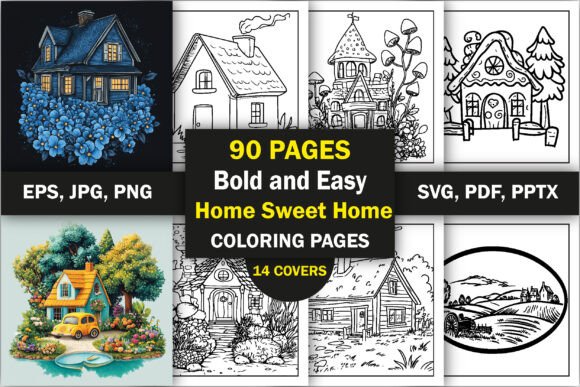
As a digital publisher, my first reaction to a graphic set is always about mood. The Home Sweet Home Coloring Book immediately strikes a warm, inviting, and creatively playful tone. The bold, hand-drawn linework feels intentionally crafted—it’s not sterile or overly digital. This establishes an editorial atmosphere of comfort, DIY spirit, and artistic possibility. For content creators targeting lifestyle, home decor, family activities, mindfulness, or creative entrepreneurship niches, this asset is a natural visual fit. It leans feminine, artistic, and decorative without being overly seasonal, making it a versatile choice for year-round content.
First Impressions & Reader Trust: Why Visual Quality Matters
Before I even consider a download, I’m evaluating how a design asset will communicate quality to my audience. A blog’s visual presentation directly impacts reader trust and perceived authority. Sloppy, generic graphics undermine your message. The hand-drawn, unique nature of this coloring book bundle signals care and originality. When used as a featured image or blog graphic, it tells the reader that the accompanying content is also thoughtfully crafted. This visual polish is crucial for converting casual visitors into engaged readers or customers.
Real-World Publishing Applications: Beyond the Coloring Page
Thinking purely as a “coloring page” limits its utility. In a real publishing workflow, this is a multi-purpose graphic design asset. Here’s how I would deploy it across a content website or affiliate blog.
For Immediate Editorial Use:
- Blog Featured Images & Article Headers: A single, bold illustration from the set can become the hero image for a post about “Cozy Home Habits,” “Mindful Activities,” or “DIY Home Decor Projects.” The strong lines create clear visual hierarchy, making the headline text pop.
- Pinterest Graphics & Social Media Previews: These designs are inherently eye-catching. Cropped and paired with compelling text, they become high-click-through Pinterest pins or Instagram posts promoting your downloadable content or blog articles.
- Website Banners & Category Thumbnails: Use a collage or a select graphic to visually define a “Home & Lifestyle” or “Creative Printables” category on your site, strengthening category recognition.
- Newsletter Graphics & Email Headers: A warm, illustrated banner in your email marketing immediately sets a friendly, personal tone, increasing open rates and engagement.
For Content Marketing & Lead Magnets:
- Downloadable Resources & Content Upgrades: The printable bundle itself is a perfect lead magnet. Offer it as a free “Home Comfort Coloring Book” to build your email list from a related blog post.
- Digital Guide & eBook Covers: An adapted illustration makes a charming, professional cover for a digital guide like “The Art of a Cozy Home” or “Creative Mindfulness for Families.”
- Worksheets & Canva Templates: Import elements into Canva to create branded worksheets, media kits, or social media templates for your small business, ensuring consistent branding.
- Affiliate Content Visuals: If promoting artsy products or services, these graphics create authentic, clickable visuals for affiliate links, far more effective than stock photos.
Supporting Content Performance: From Polished Pages to Stronger Clicks
Integrating this asset elevates content performance in tangible ways. It provides a stronger first impression, stopping the scroll. Its bold lines offer clearer visual hierarchy, guiding the reader’s eye to your headline or call-to-action. This directly improves click-through potential on social shares and pins. By using it consistently across your site and downloads, you build a more cohesive visual identity, which fosters improved reader trust and makes your entire brand feel more professional.
Strategic Placement: Where This Design Asset Works Best & Requires Care
Understanding context is key for a publisher. Not every graphic fits every space.
Optimal Use Cases:
- Hero images and large article headers where detail can be appreciated.
- Pinterest pins and blog graphics where boldness attracts attention.
- Editorial accents within longer text pieces to break up content visually.
- The core of content upgrades and downloadable resources.
- Category visuals and newsletter headers for thematic branding.
- Social media previews and digital ad creatives for campaigns.
Use With Care:
- Very small mobile thumbnails where intricate lines might become muddy.
- Text-heavy blog images where the background needs to be extremely low-contrast for readability.
- Busy layouts where adding a decorative element might overload the design.
- Serious corporate niches or websites requiring a stark, minimal visual system.
Essential Publisher Notes for Implementation
Before hitting publish, here’s my practical checklist for using any graphic design asset, including the Home Sweet Home Coloring Book, in live projects.
- Test Across Devices: Preview how it looks as a thumbnail on mobile screens versus desktop.
- Preview in Layout: Drop it into a real blog post draft. See how it balances with your text.
- Test with Typography: Place headline text over it. Try both serif and sans-serif fonts. Check contrast and readability—ensure text doesn’t disappear into the illustration.
- Consider File Performance: For web use, compress the images properly. Large files slow down your site, harming user experience and SEO.
- Verify Licensing: Confirm the commercial license allows use on monetized websites, affiliate pages, and within paid content products or digital guides. Never assume.
- Experiment with Style: Try a graphic beside a script font for a playful mood, or a clean display font for a more modern creative business look.
Ultimately, this hand-drawn graphic set is more than a collection of coloring pages. It’s a versatile toolkit for visual communication. For bloggers, digital marketers, and creative entrepreneurs, it provides a ready-made aesthetic of warmth and creativity that can elevate blog visuals, fortify website branding, enrich editorial content, and make social media presentation feel uniquely personal and polished. In a crowded digital space, that distinctive, professional look is not just nice—it’s necessary.