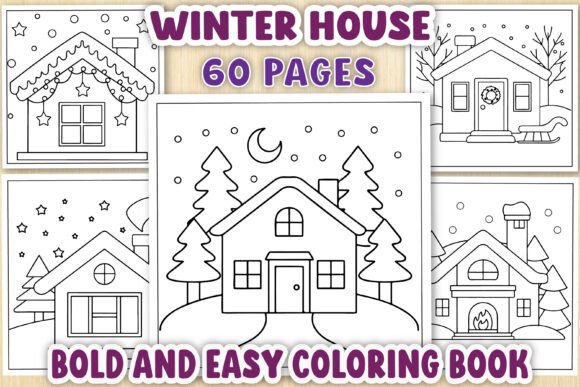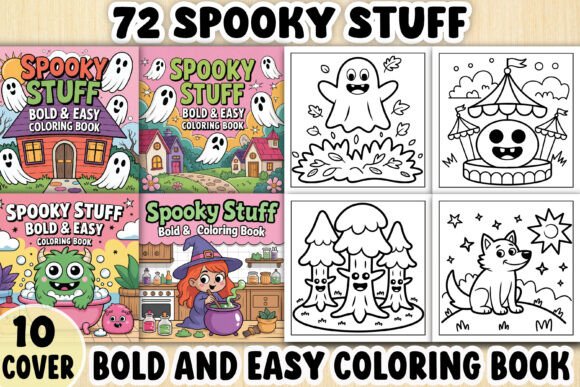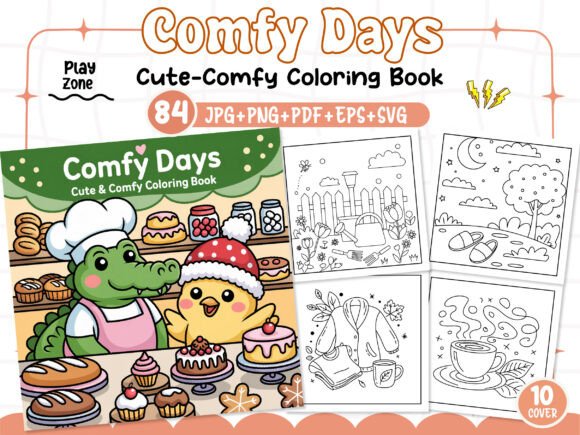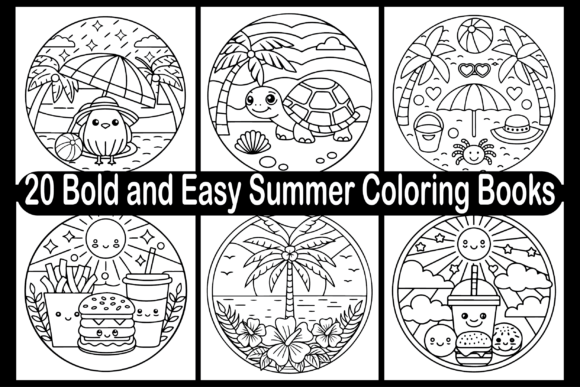
Bold Easy Dreamy Days Coloring Pages: An Embroidery Designer’s Review
When a new design lands on my desk, my first question is never about its beauty, but about its usefulness. How will it stitch out? What will it look like on a finished product? And who would buy that product? Today, I’m thinking through the Bold Easy Dreamy Days Coloring Pages bundle from the perspective of an embroidery designer preparing for real client work and small shop merchandise.
The First Impression: Whimsical Lines, Cozy Appeal
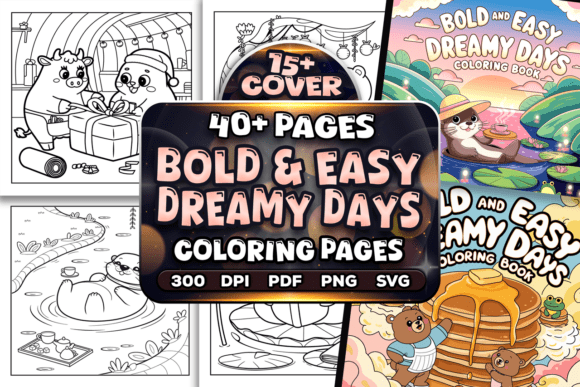
Opening this set, the mood is immediately clear. The scenes feel like a gentle, heartwarming sketchbook—simple, bold outlines waiting to be filled, not just with color, but with thread. The visual personality is undeniably cozy and approachable. For an embroidery designer, this is promising. The bold lines translate to clear, defined shapes that a satin stitch or a smart fill stitch can follow without ambiguity. The whimsical themes—I imagine cottages, gentle landscapes, comforting objects—aren’t overly detailed, which means they won’t become a dense, time-consuming nightmare on the machine.
Where These Designs Naturally Belong in Embroidery
My mind jumps to specific projects. I picture a custom tote bag for a book lover, featuring one of the simpler, bold scene outlines. I think of a baby’s blanket or a set of nursery decor pillows, where a gentle, dreamy design embroidered in soft pastel threads would be a perfect, personalized gift. The heartwarming nature of these graphics makes them a natural fit for holiday embroidery on kitchen towels or aprons, or even a wedding gift like an embroidered pillow cover for a new home.
For my craft business and Etsy seller clients, this bundle offers a versatile foundation. These designs could become the centerpiece for a line of embroidered patches sold online, or be applied directly to sweatshirt embroidery and custom apparel for a boutique’s autumn collection. The “coloring page” style inherently has a handmade, artistic presentation that buyers on platforms like Etsy often seek out. It feels less like a corporate logo and more like a piece of art, which adds value and giftability.
A Real Scenario: Preparing a Cozy Sweatshirt for a Small Shop
Let’s walk through a real case. I’m preparing a limited-run sweatshirt for my small shop, aiming for that cozy, autumn market vibe. I select a “dreamy days” scene with a bold, easy outline of a cottage with a tree. My practical judgment starts:
- The bold lines mean good stitching clarity; the outline won’t get lost.
- The scene isn’t too wide, so it fits comfortably within a standard hoop size for apparel.
- The lack of intricate internal detail means I can use a combination of satin stitch for the outline and a quicker fill stitch for larger areas, managing stitch density to keep the fabric from becoming stiff.
- I imagine it stitched in a rich, earthy brown or a muted green on a cream-colored sweatshirt. The thread color contrast will be excellent.
I consider my customer. They’re not buying a graphic tee; they’re buying a handmade product with a unique, artistic touch. This design supports that story perfectly. It looks crafted, not just printed.
Performance on Actual Products: Strengths and Considerations
How will Bold Easy Dreamy Days Coloring Pages perform across different embroidery projects? For most applications, I expect it to be robust.
- On tote bags and pillow covers: The sturdy fabric handles the design well. The bold graphics become a strong decorative accent.
- On baby clothes and blankets: Using a soft thread and appropriate stabilizer, the design maintains its gentle appeal without being too bulky.
- For patches: This is a standout use. The clear outlines make for a highly recognizable, professional-looking embroidered patch that could sell on its own.
- In digital product previews and printable mockups: For sellers of the digital embroidery file itself, or for creating mockups for their online listings, the simple, strong visuals are very effective for buyer engagement.
Where You Should Exercise Care
No design is universally perfect. Here’s my practical advice on where to be careful:
- Very small hoop sizes: If you try to shrink a larger scene down for a hat or a cap’s curved surface, some of the bold lines might merge and lose definition. Test first.
- Textured or stretchy fabric: On certain knits or thin fabrics, even bold lines can distort. Always use the right stabilizer.
- Dark fabric backgrounds: While the bold lines help, you may need to adjust thread colors for optimal contrast. A white or light-colored satin stitch outline on dark fabric can look stunning, but test it.
- Products needing frequent washing: Consider stitch density. A very dense fill stitch in large areas might wear differently over time. The open, coloring-page style of these designs actually helps here—they often aren’t meant to be completely filled.
The Impact on Your Business and Craft
Beyond the stitch-out, using a cohesive set like this affects your operation. For creative entrepreneurs, it can help with brand consistency. Offering a series of products all featuring this whimsical, cozy style builds a recognizable look for your shop. It also speeds up your process—having 40 related scenes means you can develop a whole product line without starting from scratch for each item.
The professionalism comes from how you apply it. A clean stitch-out of a well-chosen design on a high-quality tea towel or sweatshirt builds customer trust. It shows attention to detail. The design itself, being approachable and heartwarming, directly enhances the handmade presentation and perceived value.
Essential Designer Notes Before You Stitch
Before you run this on your machine for a commercial embroidery project or a personalized gift, do this homework:
- Always test the design on scrap fabric first, using the same material and stabilizer as your final product.
- Check thread color contrast by previewing the design in both black and white mockups, and against your actual light and dark fabric backgrounds.
- Review stitch density in your embroidery software if possible. Are large areas filled too densely for your fabric?
- Confirm hoop size compatibility. Does the design dimension match your intended hoop and product area?
- Inspect small details like any tiny lettering or intricate corners that might be present in some scenes. Will they stitch cleanly?
- Most importantly, confirm licensing before selling finished items or digital products. The description mentions it’s for KDP, but for embroidery, you must verify the terms for using these graphics as embroidery file assets in commercial projects. Don’t assume.
In conclusion, the Bold Easy Dreamy Days Coloring Pages bundle presents a strong, versatile foundation for embroidery designers and makers. Its bold, easy lines translate well to thread, its cozy themes resonate with customers, and its scope allows for creative product development. Approach it with a practical, testing mindset, and it could become a valuable asset in your collection for creating beautiful, sellable finished products. Just remember: the true review happens not on the screen, but in the hoop, on the fabric, and in the hands of your customer.