Evaluating Mandala Henna Sticker Pages for Real Client Graphics
The First Glimpse: When Intricacy Makes a Statement
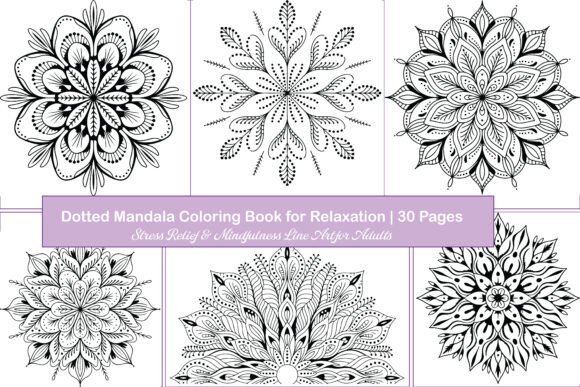
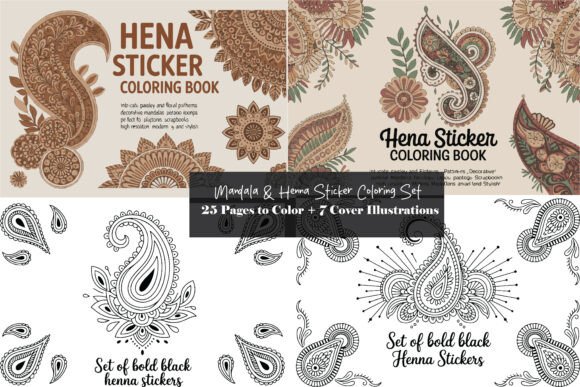
Opening the Mandala Henna Sticker Pages file, the immediate impression is one of controlled abundance. This is not a simple clipart pack; it’s a library of ornate, mehndi-inspired patterns that speak to a specific visual mood. The collection feels rich, detailed, and culturally resonant. For a designer assessing this as a creative asset, the question becomes: does this aesthetic support a client’s story? The intricate paisley, floral, and ornamental motifs represent a style that is both traditional and decorative. It naturally fits clients in the handmade business realm—a boutique selling artisan candles, an Etsy shop offering hand-dyed textiles, a wellness brand launching a seasonal campaign centered on mindfulness, or a local event like a cultural festival or a craft market. This graphic design asset offers a ready-made sense of heritage and artistry.
The Practical Fit: Where These Graphics Work in a Project
In a real client project—say, visual branding for a small business selling herbal teas—these assets can become foundational. The detailed motifs can be adapted for a subtle logo design element, perhaps framing the brand name. For product labels and packaging design, they provide immediate decorative borders and accents that elevate a simple jar or box. In marketing visuals, a single, scaled motif can serve as a stunning hero graphic for a website banner or a poster. For social media graphics, particularly Instagram posts and Pinterest pins aiming for an aesthetic, curated feel, these elements add layers of texture without overwhelming the message.
Their strength shines in areas that allow the detail to breathe: large layout areas, product mockups where they wrap around a bag or mug, and as decorative accents in editorial design or blog visuals. They are perfect for creating themed collections, like a series of digital ads for a “Summer Rituals” campaign. For printable designs, such as invitation suites or wall art, the vector-based details ensure crisp print quality. For Cricut projects or sublimation design, the clean outlines translate well into physical stickers, t-shirt designs, or tote bags. This versatility makes it a compelling digital product for commercial design.
The Design Considerations: Where to Apply with Care
As a professional designer, one must also identify the constraints. The high level of intricacy in the Mandala Henna Sticker Pages means it should be used carefully in small sizes. On a business card or as a tiny icon, the detail will muddle and reduce visual hierarchy. Similarly, placing these dense patterns on already complex backgrounds or within crowded layouts will create visual noise and confuse the viewer. This asset is not suited for minimalist branding or for projects demanding a very clean, corporate feel. Its emotional appeal is warm and engaging, but it doesn’t convey stark modernity or clinical professionalism.
Readability is a key test. When incorporating these motifs into a layout with text, one must ensure strong contrast and ample clear space. A script font might compete; a bold sans serif font could anchor the delicacy nicely. The asset’s success hinges on balancing its ornate nature with clear communication.
Professional Checks Before Client Use
Before committing this asset to a paid project, a designer’s due diligence is critical. First, confirm the commercial license. For use in Etsy products or print-on-demand, this is non-negotiable. Then, perform practical tests. Preview the graphics at both small and large sizes to see where detail breaks down. Test it in black and white to gauge its form without color. Check contrast by placing elements on light and dark backgrounds. If the files include PNGs with transparency, inspect the edges on various colored backgrounds. For the SVG files, open them in a vector editor to confirm clean paths and easy editability for color changes or simplification.
Most importantly, place the assets on real mockups. Drop a motif onto a t-shirt design mockup, integrate it into a packaging design template, or lay it over a website graphic. Does it feel cohesive with the other brand elements? Does it enhance the overall impression of quality and intentionality? This hands-on testing reveals whether the asset is merely beautiful or truly functional for your specific client’s commercial design needs.
Beyond Decoration: Building Visual Trust and Engagement
The ultimate value of a design bundle like this lies in its ability to build visual trust. For a handmade brand or a creative marketplace seller, using consistent, high-quality ornamental graphics across their product line, packaging design, and marketing visuals creates a recognizable and polished brand identity. The Mandala Henna Sticker Pages can provide that consistency. When an audience sees the same intricate style on a social media graphic, a product label, and a printable event flyer, it reinforces a cohesive brand story.
This asset encourages audience engagement through its inherent beauty and cultural resonance. It feels considered and artful, which can elevate a project from generic to distinctive. For a designer sourcing graphics for a client, finding an asset that delivers both aesthetic mood and practical application is the goal. These sticker pages, when applied judiciously, can help a small business branding project feel more established, more thoughtful, and more visually engaging.
A Final Designer’s Note on Versatility
In closing this review, the strength of Mandala Henna Sticker Pages as a design asset is its role as a versatile toolkit. It’s not a single solution but a collection of supporting brand elements. It can transform a plain Canva template into something bespoke. It can turn a basic mug mockup into a compelling saleable product. For designers working with clients in niches that value artistry, tradition, and decorative detail, this digital product offers a shortcut to a sophisticated visual language. The key, as always, is in the application: using it with an understanding of scale, contrast, and hierarchy to ensure the final design feels not just ornate, but intentionally crafted.